Avoiding Pitfalls: Mastering AI in Order Management
The advent of AI in Order Management has created new opportunities for streamlined operations and enhanced decision-making in enterprise environments. Companies like Oracle and SAP are blazing trails by embedding AI-driven insights into order processing, promising to mitigate common challenges around demand forecasting and inventory optimization.
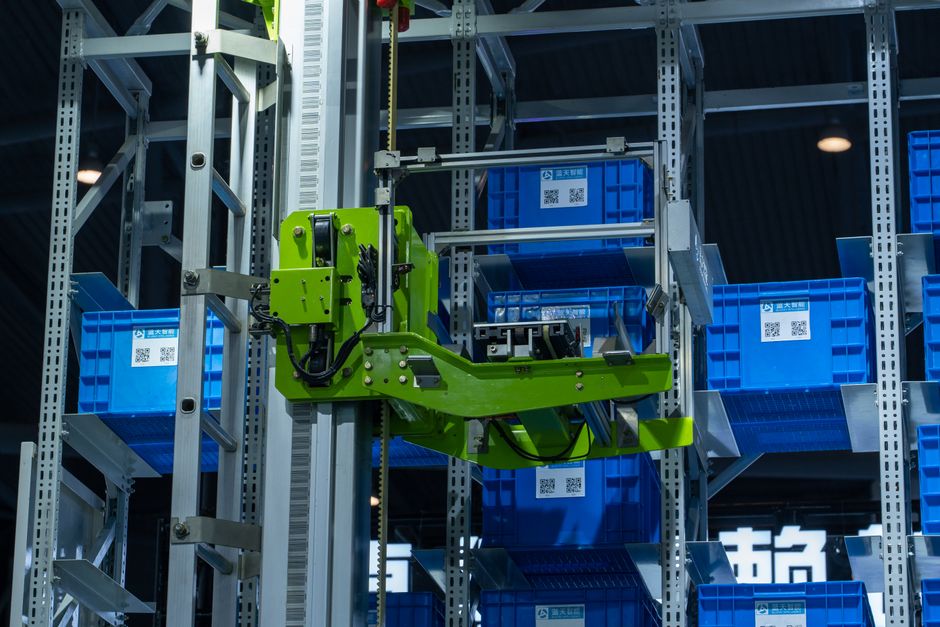
However, despite its promise, AI in Order Management is not without pitfalls. Missteps in implementation can lead to inefficiencies rather than the sought-after improvements.
Frequent Mistakes in AI Order Management
One of the most frequent issues organizations face when integrating AI in Order Management is underestimating the complexity of data integration. Without real-time data visibility, AI applications can't effectively predict demand variability or automate the Order-to-Cash Cycle. This can lead to a persistence of inefficiencies rather than improvements.
- Over-reliance on generic AI models without customization
- Neglect of the necessary training and change management for staff
Case Study: Successful Implementation of AI
Advanced AI Implementations
Companies that successfully deploy AI in Order Management typically take a phased approach. A case in point is Infor, which saw significant reductions in order cycle time by personalized AI solutions. They customized AI modules to accommodate unique client demands, improving forecast accuracy significantly.
Furthermore, investing in specialized AI solution development allowed flexibility and precision, reducing lead times and enhancing customer satisfaction. By addressing unique nuances in their supply chain, they achieved superior Perfect Order Rates.
Conclusion
In conclusion, while AI promises advancements in Order Management, understanding and avoiding common pitfalls is crucial. Organizations should consider thorough preparation and tailor-made solutions, such as those offered by Oracle, to leverage the full potential of AI. Careful customization and employee adaptability play crucial roles in the shift from mere automation to informed, agile decision-making. Ultimately, AI Agents for Enterprise Operations signify a step towards an autonomous future in supply chain management.


Comments
Post a Comment