AI-Driven Vibe Coding: 7 Critical Mistakes Developers Make and How to Avoid Them
The emergence of artificial intelligence in software development has fundamentally altered how teams approach coding, design, and architectural decisions. While the promise of faster delivery cycles and enhanced productivity drives adoption, many organizations stumble when implementing these transformative technologies. Understanding where teams commonly go wrong—and how to course-correct—can mean the difference between transformative success and costly failure in today's competitive landscape.
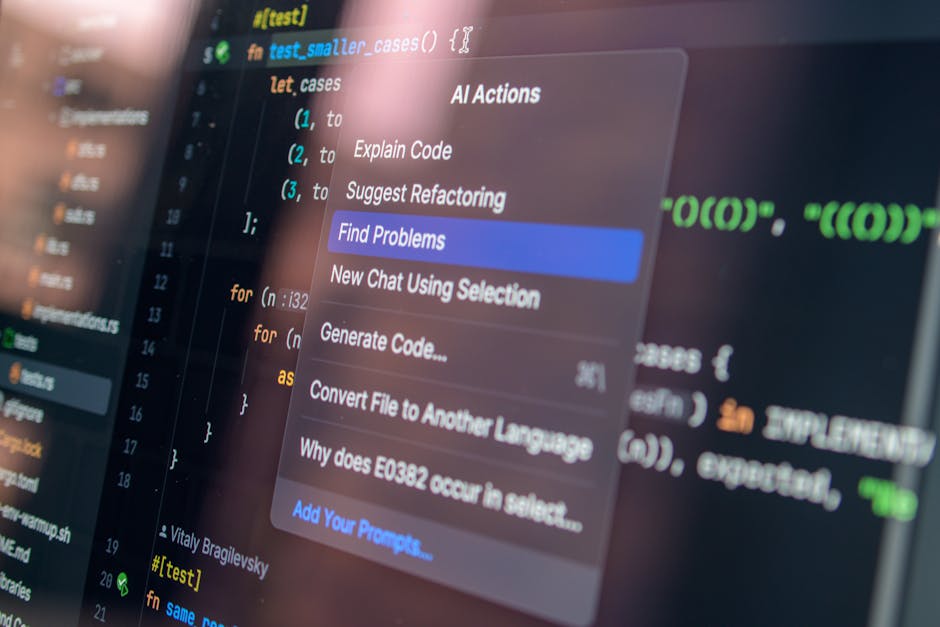
The concept of AI-Driven Vibe Coding represents a paradigm shift in how developers interact with their tools, leveraging contextual understanding and adaptive assistance to accelerate development workflows. However, this shift introduces new categories of errors that traditional development practices never encountered. Teams rushing to adopt these capabilities often bypass critical evaluation steps, leading to technical debt, security vulnerabilities, and cultural friction within engineering organizations.
Mistake #1: Treating AI-Generated Code as Production-Ready Without Review
Perhaps the most prevalent error teams make involves accepting AI-generated code snippets without thorough examination. Developers, especially those under tight deadlines, frequently copy generated solutions directly into production codebases. This practice ignores fundamental code review principles that have protected software quality for decades.
AI-Driven Vibe Coding tools excel at pattern recognition and syntactic correctness, but they lack contextual understanding of your specific business logic, security requirements, and architectural constraints. A generated authentication function might work perfectly in isolation yet introduce privilege escalation vulnerabilities in your specific permission model. Generated database queries might perform adequately during testing but create catastrophic performance bottlenecks when scaled to production data volumes.
The solution requires establishing a modified review process specifically designed for AI-assisted development. Create explicit guidelines requiring developers to understand every line of AI-generated code before integration. Implement automated testing that validates not just functional correctness but also performance characteristics, security posture, and compliance with architectural standards. Treat AI suggestions as starting points for discussion rather than finished solutions.
Mistake #2: Neglecting Training Data Bias and Its Impact on Software Creation
AI models powering coding assistants learn from vast repositories of existing code, inevitably absorbing the biases, outdated practices, and security vulnerabilities present in their training data. Developers often overlook this reality, assuming that widely-adopted patterns suggested by AI tools represent current best practices.
Consider deprecated API usage: an AI tool trained on historical code repositories might confidently suggest using deprecated cryptographic libraries or outdated framework methods because those patterns appeared frequently in its training data. Similarly, these tools may perpetuate problematic naming conventions, inefficient algorithms, or anti-patterns that were common when the training data was collected but are now considered harmful.
Organizations implementing AI-Driven Vibe Coding must establish guardrails that compensate for training data limitations. Maintain an actively updated knowledge base documenting your organization's coding standards, approved libraries, and architectural patterns. Configure AI tools to reference this internal knowledge base alongside their general training. Implement linting rules and static analysis tools that automatically flag deprecated patterns regardless of AI confidence levels. Regular training sessions should educate developers about common training data biases and how to identify them in generated suggestions.
Mistake #3: Underestimating the Learning Curve for Effective Prompt Engineering
Many organizations assume that AI coding tools require minimal onboarding—after all, developers already know how to code. This assumption severely underestimates the skill development required to effectively leverage AI-Driven Vibe Coding capabilities. The ability to craft precise, context-rich prompts that generate useful code represents a distinct skillset that traditional programming education doesn't address.
Poor prompt engineering produces generic, low-quality suggestions that waste time rather than accelerating development. A vague request like "create a user authentication system" might generate boilerplate code that ignores your specific technology stack, compliance requirements, or integration needs. Meanwhile, a well-crafted prompt that specifies frameworks, describes existing architectural patterns, and outlines security requirements produces substantially more valuable output.
Organizations should invest in comprehensive prompt engineering training as part of their AI adoption strategy. Develop an internal library of effective prompt templates for common development scenarios. Encourage senior developers to share successful prompting strategies through documentation and pair programming sessions. Consider establishing prompt review processes similar to code review, where teams collectively refine the questions they ask AI tools to improve output quality across the organization.
Mistake #4: Failing to Integrate AI Assistance with Modern Development Practices
Another common pitfall involves treating AI coding tools as standalone utilities rather than integral components of comprehensive development workflows. Teams often adopt these technologies without adapting their continuous integration pipelines, testing strategies, or deployment processes to account for AI-generated code.
This disconnection creates quality assurance gaps. For instance, test coverage metrics may decline when developers rapidly generate implementation code but neglect corresponding test cases. Code review processes designed for human-authored code may miss AI-specific issues like repetitive patterns across multiple files or inconsistent approaches to similar problems. Version control practices may fail to distinguish between human-crafted architectural decisions and AI-suggested implementations, complicating future maintenance.
Successful integration requires deliberately extending Modern Development Practices to encompass AI-assisted workflows. Update your continuous integration pipelines to include specific validation steps for AI-generated code. Establish testing requirements that mandate equivalent coverage for both human and AI-authored code. Enhance code review checklists with questions specifically designed to evaluate AI suggestions: Does this generated code align with our architectural principles? Have we validated the security implications? Is the approach maintainable by team members unfamiliar with this specific AI tool? Teams exploring AI solution development should prioritize building these integrated workflows from the beginning rather than retrofitting them later.
Mistake #5: Overlooking Intellectual Property and Licensing Concerns
The legal landscape surrounding AI-generated code remains complex and evolving. Many development teams implement AI-Driven Vibe Coding tools without thoroughly investigating the intellectual property implications of using generated code in commercial products. This oversight can create significant legal exposure.
AI models trained on public repositories may generate code snippets that closely resemble copyrighted material from their training data. While the AI doesn't "copy" code in a traditional sense, the generated output might inadvertently reproduce distinctive implementations covered by specific licenses. Some open-source licenses require attribution or impose restrictions on commercial use—requirements that developers may unknowingly violate when incorporating unvetted AI suggestions.
Organizations must establish clear policies addressing code provenance and licensing compliance. Implement automated scanning tools that check AI-generated code against known repositories to identify potential licensing conflicts. Require developers to document the source of all significant code blocks, noting whether they originated from AI assistance. Consult with legal counsel to develop guidelines appropriate for your specific jurisdiction and business model. Consider whether your organization's license agreements with AI tool vendors adequately address indemnification for intellectual property claims.
Mistake #6: Ignoring Team Dynamics and Skill Development Implications
The introduction of AI coding assistants fundamentally alters team dynamics and career development trajectories in ways many organizations fail to anticipate. Junior developers may become overly reliant on AI-generated solutions, missing crucial learning opportunities that build foundational problem-solving skills. Senior developers may feel their expertise is being devalued or question their role in an AI-augmented environment.
This dynamic can create a bifurcated team structure where some members develop sophisticated AI collaboration skills while others resist adoption entirely. Knowledge transfer suffers when solutions are generated through AI interaction rather than collaborative human discussion. Code ownership becomes ambiguous, complicating maintenance responsibilities and reducing individual accountability.
Addressing these challenges requires intentional cultural and process interventions. Establish mentorship programs pairing experienced developers with those new to AI-assisted workflows. Create opportunities for developers to explain their AI interaction strategies, making the decision-making process visible to the team. Define clear expectations about when AI assistance is appropriate versus when fundamental problem-solving should happen without AI scaffolding. Recognize and reward developers who effectively leverage AI tools while maintaining code quality and knowledge sharing.
Mistake #7: Neglecting Security Implications Unique to AI-Generated Code
While security concerns apply to all code regardless of origin, AI-Driven Vibe Coding introduces specific vulnerabilities that traditional security practices may miss. Generated code often includes placeholder values, simplified authentication mechanisms, or incomplete input validation designed for demonstration purposes rather than production use. Developers rushing to implement features may overlook these security gaps.
Additionally, AI models may suggest patterns that were common in older training data but are now known to be vulnerable. SQL query construction techniques that appeared frequently in legacy code might make modern applications susceptible to injection attacks. Generated cryptographic implementations might use adequate algorithms but with insufficient key lengths or improper parameter handling.
Security-conscious organizations must augment their existing security review processes to address AI-specific risks. Implement specialized security scanning focused on common AI-generated vulnerabilities. Require security review for all substantial AI-assisted code before production deployment. Educate developers about security anti-patterns frequently appearing in AI suggestions. Establish automated testing specifically targeting authentication, authorization, input validation, and data protection mechanisms in AI-generated code.
Building a Sustainable AI-Augmented Development Practice
Avoiding these common mistakes requires more than individual developer discipline—it demands organizational commitment to evolving development practices, tools, and culture. Successful teams approach AI-Driven Vibe Coding as a capability requiring thoughtful integration rather than a magic solution requiring minimal adjustment.
The most effective implementations establish clear governance frameworks that define appropriate AI use cases, quality standards, and review processes. They invest in comprehensive training that addresses both technical skills and the conceptual shifts required for effective AI collaboration. They maintain vigilance about evolving best practices, regularly reviewing and updating their approaches as the technology and regulatory landscape changes.
Conclusion
The transformative potential of AI-Driven Vibe Coding is undeniable, but realizing that potential requires avoiding the pitfalls that have derailed countless early implementations. By recognizing these common mistakes and implementing thoughtful countermeasures, development organizations can harness AI assistance while maintaining the code quality, security posture, and team dynamics that underpin long-term success. As these technologies continue maturing, organizations that have built sustainable, mistake-aware practices will find themselves at a significant competitive advantage. The same rigorous approach that helps teams avoid errors in development contexts proves equally valuable when implementing broader automation strategies, as demonstrated by how Intelligent Automation frameworks address governance challenges across enterprise operations.


Comments
Post a Comment