AI-Powered Procurement Operations: Best Practices for E-commerce Excellence
For e-commerce practitioners already operating AI-driven procurement systems or planning sophisticated implementations, the difference between mediocre results and transformative impact lies in execution details, system architecture choices, and organizational design decisions that textbooks rarely address. While first-generation adopters often achieve 15-20% improvements in inventory turnover and forecast accuracy, best-in-class implementations deliver 40-50% gains by optimizing model configurations, integrating cross-functional data sources, and designing governance frameworks that balance automation with human expertise. This guide distills lessons learned from successful AI-Powered Procurement Operations deployments across high-volume e-commerce environments.
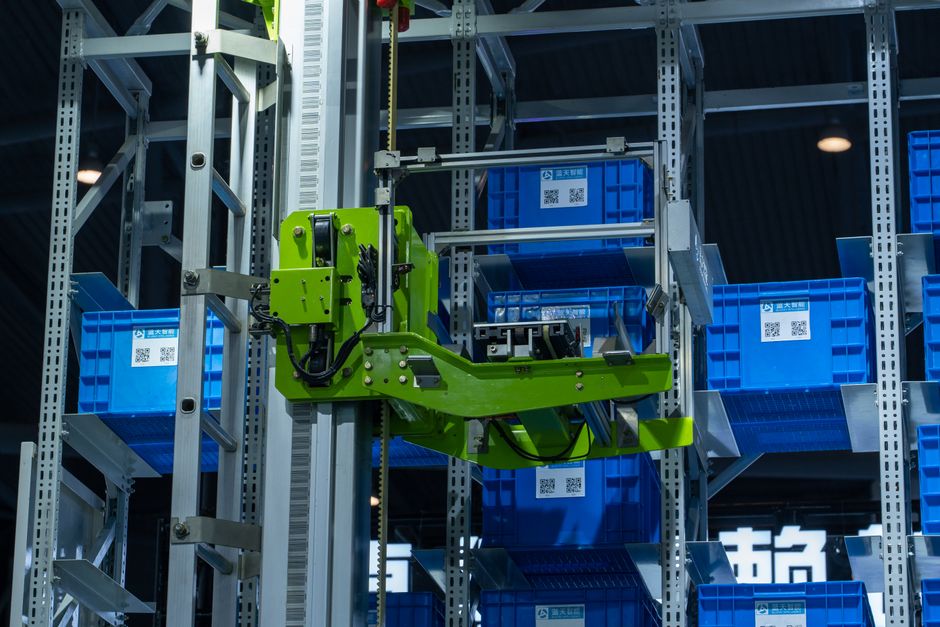
The sophistication of AI-Powered Procurement Operations in e-commerce now extends far beyond basic demand forecasting, encompassing supplier risk modeling, dynamic safety stock optimization, promotional impact prediction, and even AI-negotiated contract terms for commodity purchases. Leading retailers integrate procurement AI with customer journey mapping systems, product recommendation engines, and conversion rate optimization tools to create closed-loop systems where procurement decisions actively shape merchandising strategies rather than simply reacting to them. For businesses competing in Amazon's marketplace or operating multi-brand Shopify storefronts, these advanced capabilities separate category leaders from perpetual followers.
Advanced Model Training and Data Engineering Strategies
The predictive accuracy of AI-Powered Procurement Operations fundamentally depends on training data quality and feature engineering sophistication. Experienced practitioners understand that simply feeding raw sales history into off-the-shelf forecasting algorithms yields suboptimal results. Instead, invest in creating enriched training datasets that incorporate external demand signals your competitors likely overlook.
Incorporating Leading Indicators Beyond Sales History
Best-practice implementations supplement historical order data with website analytics that serve as early demand indicators. Track product page view velocity, add-to-cart rates, shopping cart abandonment rate patterns by product, and even user session recordings that reveal customer hesitation patterns. A sudden spike in product page CTR coupled with high cart abandonment often predicts future demand if you resolve the conversion barrier—insight that enables preemptive inventory positioning. Integrate social media sentiment analysis and search trend data for product categories, particularly for fashion, electronics, and seasonal items where external trends drive demand more than historical patterns.
Training Separate Models for Different Demand Patterns
Rather than applying a single forecasting algorithm across your entire catalog, segment products by demand characteristics and train specialized models for each group. Fast-moving staples with consistent demand patterns respond well to time-series algorithms like ARIMA or Prophet. Trendy or seasonal products benefit from machine learning approaches that weight recent data more heavily and incorporate external signals. New product launches without sales history require alternative techniques like look-alike modeling based on similar product performance or market basket analysis to predict cross-sell velocity. This segmented approach typically improves overall forecast accuracy by 10-15 percentage points compared to one-size-fits-all models.
Optimizing for Multi-Channel Inventory Complexity
E-commerce retailers managing inventory across direct websites, Amazon FBA, third-party logistics providers, and potentially brick-and-mortar locations face unique complexity that generic AI-Powered Procurement Operations systems handle poorly. Best-practice implementations account for channel-specific fulfillment dynamics, customer behavior differences, and economic trade-offs.
Design your demand forecasting to generate channel-specific predictions rather than aggregate forecasts. Amazon customers exhibit different purchase timing patterns, price sensitivity, and return rate behavior compared to direct website visitors. Your procurement system should forecast demand by channel and then optimize inventory allocation based on fulfillment costs, shipping speed requirements, and storage fees. For FBA operations, incorporate Amazon's long-term storage fee structure into replenishment decisions—the cost of holding slow-moving inventory for nine months often exceeds the profit margin, making smaller, more frequent replenishment batches economically optimal even with higher per-unit shipping costs. Build transfer order automation that continuously rebalances inventory across locations based on predicted near-term demand, minimizing situations where you have excess stock in one channel while experiencing stockouts in another.
Dynamic Safety Stock and Service Level Optimization
Traditional procurement systems use static safety stock formulas based on average lead times and demand variability. AI-Powered Procurement Operations enables dynamic safety stock calculation that adjusts in real-time based on current conditions—a capability that delivers substantial working capital improvements for e-commerce operations.
Implement safety stock algorithms that account for supplier reliability variations, seasonal demand volatility changes, and strategic product importance differences. Your top 100 SKUs by revenue contribution might warrant 98% service level targets, while long-tail products operate acceptably at 85% in-stock rates. Configure your AI system to automatically adjust these targets based on inventory carrying costs, product margin profiles, and competitive availability. During peak seasons or promotional periods, temporarily increase safety stock for hero products while deliberately accepting higher stockout risk for complementary items with lower AOV contribution. This dynamic approach typically reduces overall inventory investment by 20-30% while maintaining or improving overall customer satisfaction metrics.
Supplier Performance Optimization and Risk Management
Beyond internal demand forecasting, sophisticated AI-Powered Procurement Operations encompasses intelligent supplier selection, performance monitoring, and risk mitigation. Leading e-commerce retailers use AI to transform supplier management from periodic manual reviews into continuous optimization.
Algorithmic Supplier Scoring and Multi-Sourcing Strategy
Develop comprehensive supplier scorecards that extend beyond price and delivery performance to include quality metrics derived from return rate analysis, responsiveness to order changes, packaging adequacy, and even sustainability credentials that increasingly influence customer purchase decisions. Use machine learning to identify the optimal number of suppliers per product category—too few creates concentration risk, too many fragments volume and reduces negotiating leverage. Implement automatic RFM analysis across your supplier base to identify relationships that deliver the best total value. When collaborating with partners who provide custom AI development services, ensure they build flexible supplier scoring models that align with your specific business priorities and can evolve as your strategy changes.
Predictive Supplier Risk Modeling
Advanced implementations incorporate external data sources to predict supplier disruption risk before problems manifest in your order fulfillment. Monitor suppliers' financial health indicators, shipping carrier performance trends for routes critical to your supply chain, geopolitical developments affecting manufacturing regions, and even weather pattern predictions that might impact production or logistics. Configure automated alerts when risk scores exceed thresholds, triggering proactive communication with suppliers or activation of backup sourcing options. This forward-looking risk management particularly benefits retailers sourcing products internationally where lead time variability can significantly impact inventory availability during peak demand periods.
Integrating Procurement AI with Customer Personalization and Merchandising
The most sophisticated AI-Powered Procurement Operations implementations break down silos between procurement, merchandising, and marketing functions. Rather than treating inventory as a constraint that marketing must work around, leading retailers use procurement AI as a strategic input to personalization and promotional strategies.
Configure bi-directional data flows where procurement systems inform your Customer Personalization Engine about upcoming inventory constraints or opportunities, enabling the recommendation engine to actively promote products where you have excess inventory or shift demand toward items with better availability. This inventory-aware personalization typically improves both conversion rates and inventory turnover simultaneously. Integrate AI-Powered Procurement Operations with your promotional calendar, using historical promotional lift data to adjust demand forecasts and pre-position inventory ahead of campaigns. Advanced systems can even recommend optimal promotional timing based on current inventory positions—suggesting you accelerate a planned promotion if inventory levels exceed targets, or delay if stock is running low.
Governance Frameworks: Balancing Automation and Human Oversight
A common pitfall in AI-Powered Procurement Operations involves either excessive automation that leads to costly errors or insufficient automation that fails to capture efficiency benefits. Best-practice implementations establish clear governance frameworks that define when systems act autonomously versus flagging decisions for human review.
Structure approval workflows based on financial impact thresholds, forecast confidence levels, and product strategic importance. Configure full automation for routine replenishment of proven products with highly accurate forecasts and reliable suppliers—these low-risk decisions waste valuable buyer time. Require human approval for new product launches, large purchase orders that represent significant inventory investment, or situations where the AI model confidence score falls below established thresholds. Implement exception reporting that flags unusual patterns like sudden forecast changes, supplier performance degradation, or demand anomalies that might indicate data quality issues rather than genuine market shifts. This risk-based governance approach enables lean procurement teams to oversee large product catalogs while maintaining appropriate control.
Performance Measurement and Continuous Improvement Practices
Extracting maximum value from AI-Powered Procurement Operations requires systematic performance measurement and model refinement practices. Leading e-commerce practitioners treat their AI systems as dynamic capabilities requiring ongoing optimization rather than one-time implementation projects.
Establish automated forecast accuracy tracking at multiple time horizons—near-term accuracy (1-2 weeks) matters for replenishment decisions, while medium-term accuracy (1-3 months) drives strategic inventory positioning. Calculate weighted mean absolute percentage error (WMAPE) that accounts for revenue contribution, so forecast errors on high-volume products receive appropriate attention. Track the system's prediction of promotional lift separately from baseline demand, as promotional forecasting typically exhibits different error patterns. Monitor inventory health metrics including aged inventory percentage, stockout frequency by product importance tier, and inventory turnover rate by category. Most importantly, measure business outcome metrics including cash-to-cash cycle time, gross margin percentage (AI procurement should reduce costs while maintaining revenue), and customer satisfaction indicators like on-time delivery rate and return rate for procurement-related issues.
Implement quarterly model retraining cycles that incorporate recent data and allow you to test new features or algorithm approaches. Use A/B testing methodologies where possible, running alternative forecasting approaches for product subsets and measuring which delivers superior accuracy. This continuous improvement discipline ensures your AI-Powered Procurement Operations evolves with your business and maintains competitive advantage as markets and customer behaviors change.
Conclusion
Excellence in AI-Powered Procurement Operations for e-commerce requires moving beyond basic demand forecasting to create sophisticated, integrated systems that span supplier management, inventory optimization, risk mitigation, and cross-functional coordination with merchandising and marketing. By implementing advanced data engineering practices, optimizing for multi-channel complexity, establishing dynamic safety stock strategies, and designing appropriate governance frameworks, experienced practitioners achieve transformative improvements in inventory turnover, working capital efficiency, and customer satisfaction. The retailers who will dominate e-commerce in coming years are those who view procurement not as a back-office function but as a strategic capability intimately connected to customer experience—enabled by AI systems that continuously learn, adapt, and optimize across the entire supply-to-customer value chain. As these technologies mature and integrate more deeply with broader E-commerce AI Solutions including Inventory Optimization AI and intelligent customer journey orchestration, the gap between AI-enabled leaders and traditional operators will only widen.


Comments
Post a Comment